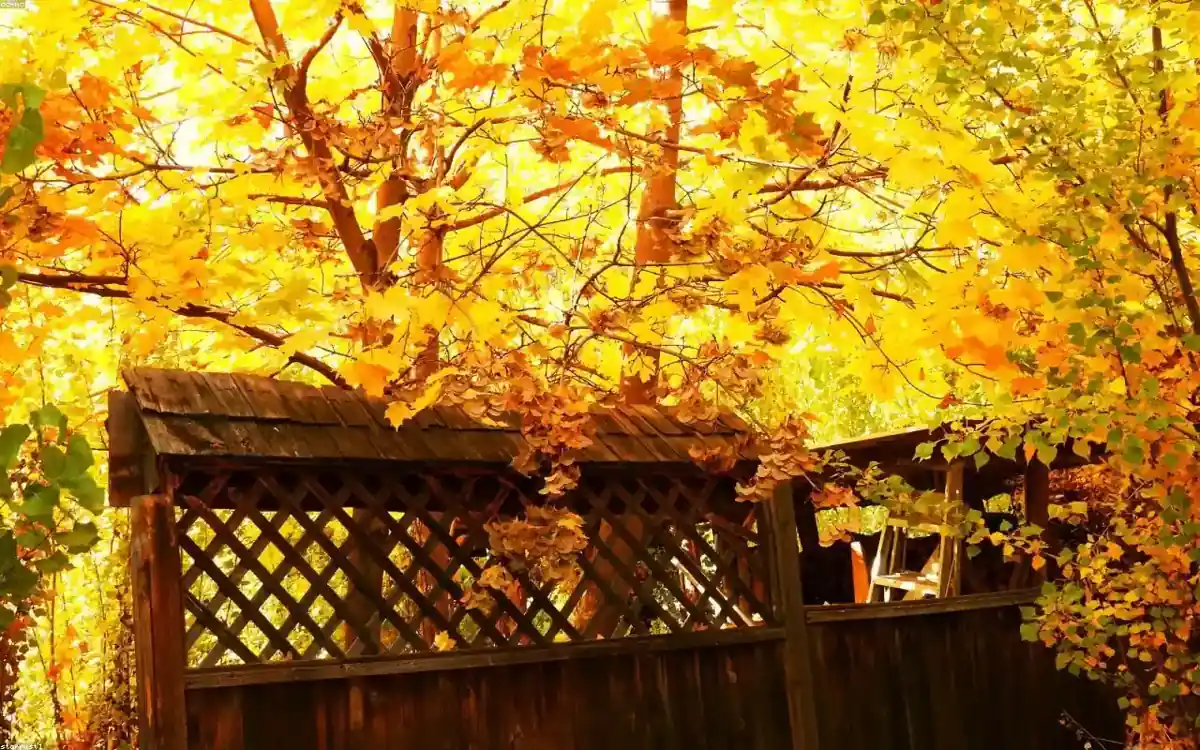
Custom western red cedar and pressure-treated wood fences engineered for the wet Pacific Northwest. Privacy, semi-privacy, and boundary fencing built to last 15–25 years.
A wood fence is still the most popular choice for Beaverton homes — warm, natural, and flexible enough for privacy, semi-privacy, or a simple boundary line. But our wet Pacific Northwest climate is hard on timber. Constant rain, damp soil, and big seasonal moisture swings cause cheap lumber to rot, warp, and lean within a few years. Beaverton Fence Pro builds wood fences the right way for this region: the right species, ground-rated or steel posts set in concrete, and details that keep moisture off the wood so your fence stays straight and solid for the long haul.
We install board-on-board, dog-ear picket, good-neighbor, stockade, and split-rail fences across Beaverton and Washington County. A well-built, well-maintained western red cedar fence here lasts roughly 15 to 25 years. We back every job with active Oregon CCB licensing, liability coverage, and workers' compensation, so you're protected from the first post to the final picket.
The best wood for a fence in the Pacific Northwest is one that handles moisture without breaking the budget.
Naturally rot- and insect-resistant thanks to its own oils — no pressure treatment needed. Warm tone, dimensionally stable, and our top pick for privacy and picket fences here.
A budget-friendly structural material chemically treated to resist rot. We often pair pressure-treated posts and rails with cedar pickets to cut cost without giving up looks.
Posts do the hard work. We use ground-contact-rated lumber or galvanized steel posts set in concrete over a gravel base so water drains away instead of pooling around the footing.
The style sets the look, the privacy, and a lot of the cost. We build all of the common Beaverton styles and help you pick the one that fits your yard, your budget, and your neighbors:
Most homeowners choose a 6 ft standard privacy height. A 4 ft semi-privacy fence suits front yards and pet containment, and we build to 8 ft where Beaverton code allows. Every style can include a cap rail and a kickboard (rot board) to protect the picket bottoms.
Fence posts that don't rot or lean come down to drainage and footing discipline. Here's our build.
A typical residential wood fence takes one to three days depending on length, terrain, and the number of gates.
Call Beaverton Fence Pro for a free, no-pressure estimate — we answer 24/7 and build across Beaverton and Washington County.

Before we dig, we check Beaverton and Washington County fence height and setback rules and confirm your property lines, so your fence is compliant and sits where it should. In most residential yards a back-yard fence up to 6 ft and a front-yard fence up to about 3–4 ft don't need a permit, but we verify the current rules for your lot every time.
Looking for a fully secluded backyard? Our cedar privacy fence installation goes deeper on board-on-board and tongue-and-groove builds. Want a modern look? Ask about a horizontal cedar fence. You can also browse all of our fencing services in Beaverton or check coverage with fencing in Central Beaverton.
Wood fences are quoted by the linear foot, and that per-foot number moves with a handful of real factors rather than a single sticker price. Height is the biggest lever: a 6 ft privacy fence uses far more lumber than a 4 ft semi-privacy run, and an 8 ft fence where code allows jumps again. Material matters next — full western red cedar costs more than a cedar-picket-on-pressure-treated-post combination, and kiln-dried cedar runs higher than green stock but moves and warps less as it dries. Terrain, gate count, and the number of corners round out the estimate. A flat, straight back line is cheap to build; a sloped Cooper Mountain lot that needs stepped or raked panels, several gates, and multiple corners takes more posts, more labor, and more material waste, so the per-foot rate climbs.
Most wood fences that fail in the Pacific Northwest don't fail at the pickets — they fail at the posts. Saturated Beaverton soil holds water against untreated wood all winter, and a post set in a bare hole or in concrete with no drainage will rot at the base and lean within a few years. We set ground-contact-rated lumber or galvanized steel posts in concrete over a gravel base so groundwater drains down and away from the footing instead of pooling against the wood. Posts go in at no more than roughly 8 ft on center, closer where wind or a long span calls for it, and picket bottoms are held about 2 in. above grade so soil moisture can't wick up and rot the boards from below. A cap rail sheds rain off the picket tops and a kickboard, or rot board, takes the splash at the bottom. Those details cost a little more up front and are the difference between a fence that lasts 15 to 25 years and one that needs replacing in seven.
Oregon requires fence contractors to carry an active CCB license, which means liability coverage and workers' compensation are in place before anyone digs on your property. An unlicensed crew working off the books leaves you exposed if someone is hurt or the work goes wrong, and there's no real recourse when a fence starts leaning the next rainy season. A local builder also knows what this ground does — how the clay holds water, where setbacks and height limits land in Beaverton and Washington County, and how to time the stain or seal so the finish actually absorbs after the cedar has dried out. That regional knowledge, paired with proper footing and species selection, is what separates a fence built for the catalog from one built for this climate.
Straight answers — no clicking around.
Get a straight answer on materials, style, and timeline from a licensed Beaverton fence builder. Open 24/7.
(855) 598-3288