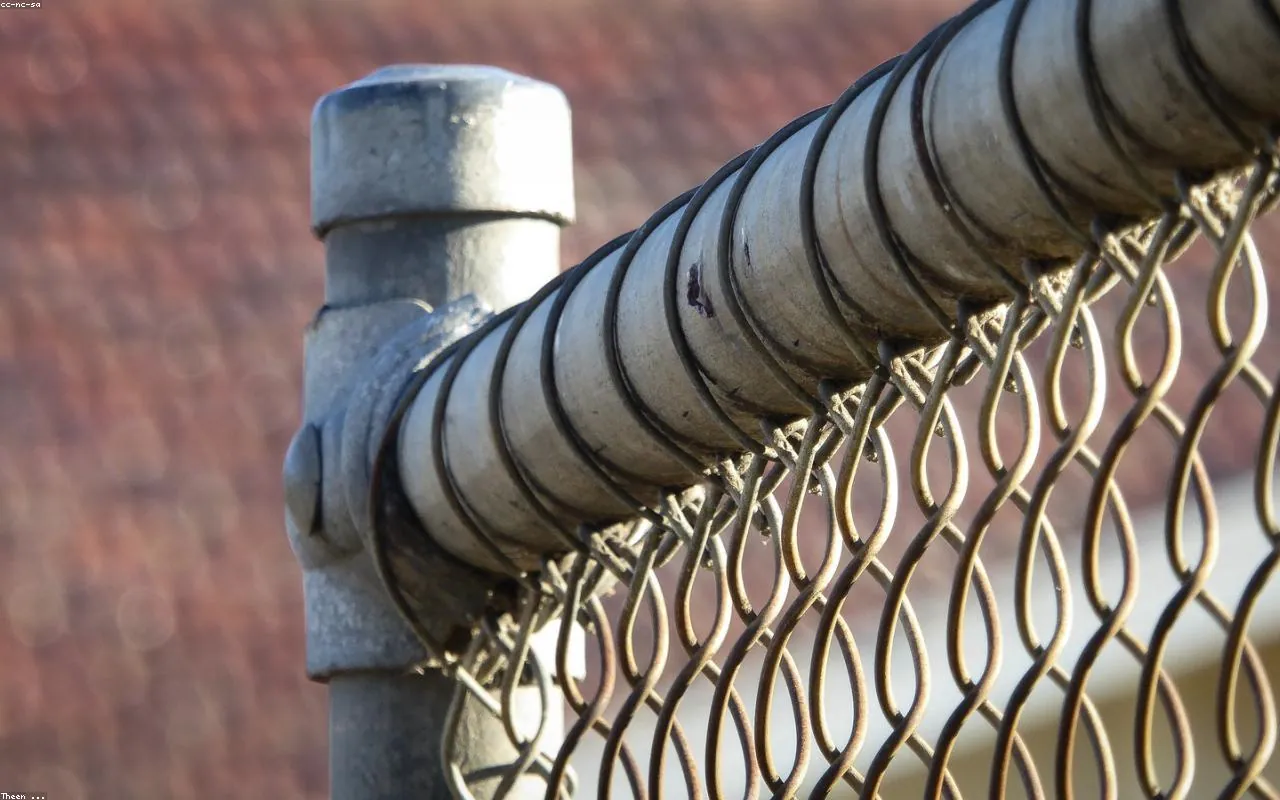
Affordable, durable galvanized and vinyl-coated chain-link fencing for Beaverton yards, dog runs, gardens, and commercial lots — corrosion-resistant and built to take our wet PNW weather.
Chain-link (or cyclone) fencing is the most cost-effective way to enclose a property without giving up durability. It's the cheapest fence type to install per linear foot in most Beaverton yards, and the diamond-mesh steel fabric shrugs off weather, impact, and decades of use. For a dog run, garden, boundary line, storage yard, or school field, it's hard to beat on value — which is exactly why it's everywhere. Call Beaverton Fence Pro or browse all Beaverton fencing services to compare.
Does chain-link rust in Oregon rain? Not when it's specified correctly. Galvanized fabric is coated in zinc that resists corrosion in our wet climate, and vinyl-coated fabric adds a PVC layer on top for even more protection. Built with the right gauge and properly tensioned, a chain-link fence here lasts for decades with almost no maintenance.
Two coatings, several gauges — we spec the right combination for your use.
Classic silver chain-link. Zinc-coated steel resists corrosion in wet PNW conditions — the economical, durable standard for yards and lots.
Black or green PVC coating over galvanized steel. Looks far better in a yard, blends into landscaping, and adds extra corrosion protection.
Lower number means heavier wire. We use 9–11.5 gauge for residential yards and dog runs, and 6–9 gauge heavy fabric for commercial and security work.
A chain-link fence is only as good as its frame. We build with proper components so the fabric stays taut and the line stays true:
For commercial perimeters and security applications, see our dedicated commercial security fencing. Need an entry? We install matching chain-link gate installation, and we also handle chain-link fence repair.
Tension is everything — here's how we keep the fabric drum-tight.
Call Beaverton Fence Pro for a free chain-link estimate. We answer 24/7 and serve homeowners and businesses across Beaverton and Washington County.

Height follows the job. A 4 ft fence suits yards, gardens, and pet containment; 5–6 ft is the standard for boundaries and dog runs; and 8 ft (often with a barbed-wire top) handles commercial lots, storage yards, and schools. Want some screening? Woven privacy slats slide into the mesh to add a wall of color and block sightlines, and vinyl coating or a smaller mesh size dresses the fence up for residential settings.
Chain-link cost is driven by wire gauge, fence height, coating (galvanized vs vinyl-coated), total length, and the number of gates — we quote it itemized, no fixed-price guesswork. As a licensed, bonded, and insured local company, we handle everything from a backyard dog run to a fenced commercial perimeter with the same drum-tight standard, and we're available 24/7 for scheduling. We serve both residential and commercial clients across the metro — check coverage with fencing in Five Oaks.
Chain-link covers a wide range of work, from a back-yard dog run to a fully secured commercial perimeter, and the right specification looks different at each end. The two levers that decide it are wire gauge and coating, and getting them right is what separates a fence that holds for decades from one that bows and rusts early. Wire gauge is counterintuitive: a lower number means heavier, stronger wire. For most Beaverton homes — pet containment, gardens, boundary lines —9 to 11.5 gauge fabric is plenty and keeps the cost down. For industrial lots, storage yards, schools, and security perimeters we step up to heavier 6 to 9 gauge fabric that resists cutting and impact and stands up to constant use. We talk through how the fence will actually be used before we quote a gauge, because over-building a garden fence wastes money and under-building a commercial line invites failure.
Both coatings handle our wet climate, but they do it differently. Galvanized fabric is steel wrapped in zinc — the economical, durable standard that resists corrosion through years of Beaverton rain and damp ground. Vinyl-coated fabric adds a black or green PVC layer over that galvanized core, which buys extra corrosion protection and, just as importantly, looks far less industrial. Black vinyl-coated mesh visually recedes against landscaping until the fence nearly disappears, which is why so many homeowners choose it for a yard while a warehouse or lot is fine in bare galvanized. The choice comes down to budget, setting, and how much you want the fence to blend in.
Once a chain-link fence is built right, it asks almost nothing of you. There's no staining, sealing, or painting the way wood demands, and a properly tensioned fence won't sag or pull loose because the fabric is locked drum-tight to heavier terminal, corner, and gate posts with tension and brace bands. Galvanized and vinyl-coated fabric both resist rust, so an occasional rinse is the extent of the upkeep. If you later want screening, woven privacy slats slide into the existing mesh to add a wall of color without rebuilding anything. That combination — low up-front cost, decades of service, and near-zero maintenance — is why chain-link remains the value workhorse for homeowners and businesses alike across Washington County.
Straight answers — no clicking around.
Get honest gauge, height, and coating guidance from a licensed Beaverton fence company. Open 24/7.
(855) 598-3288