Fence Repair & Tree-Damage Response at the Wooded Edge
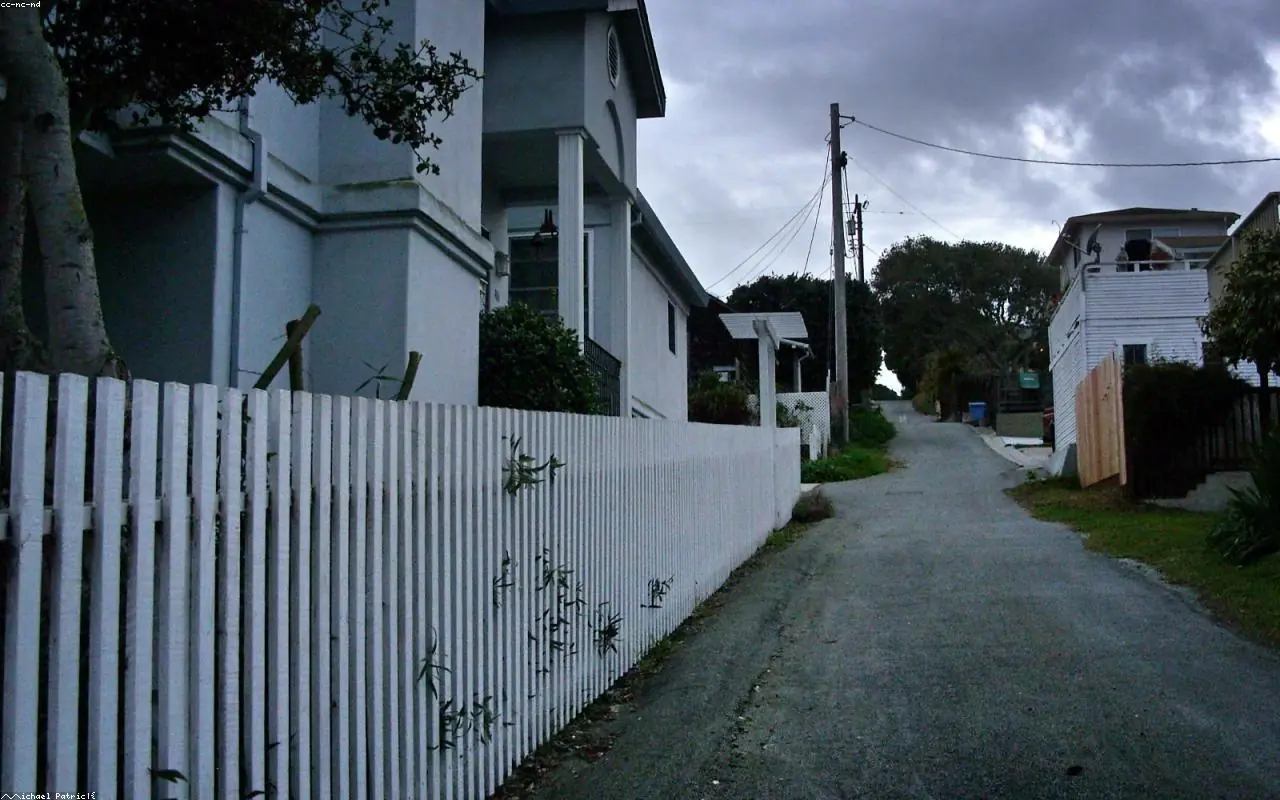
Do you repair fences damaged by trees near the preserve? Yes — and it is one of the most common calls we get on this side of Beaverton. Living next to a 230-acre stretch of conifer forest is the draw of Cooper Mountain, but it also means limbs and whole trees come down on fence lines when a winter windstorm rolls through. Add the long stretches of saturated ground that loosen any post set too shallow on a slope, and the wooded edge produces two kinds of failure: panels crushed by falling timber and sections that lean after the hillside softens. When a tree takes out a run or a gate stops swinging true, we come out, assess whether a repair or a fresh run makes more sense on that grade, and get your boundary sound again. For storm-broken panels, leaning posts, and wind-blown gates, fence repair is a same-area call away — not a dispatch from across the metro.
There is a seasonal rhythm to this work on the western edge of Beaverton. The bigger windstorms arrive from late fall through winter, right when the hillside ground is most saturated, so a single storm can both snap a section under a falling limb and loosen the posts holding the next run over. After a rough night of wind off the ridge, the first thing to check is whether a leaning post is a quick reset or a sign the footing has given way in soft ground — the two need very different fixes. When we repair a tree-damaged run here, we look past the obvious break to the posts on either side, because replacing one crushed panel only to watch the neighbors lean a month later is not a fix. If a fence keeps failing in the same spot, that is usually drainage or footing depth talking, and it is worth correcting once instead of patching every winter.
Streets & Ridge Subdivisions We Cover Around the Park
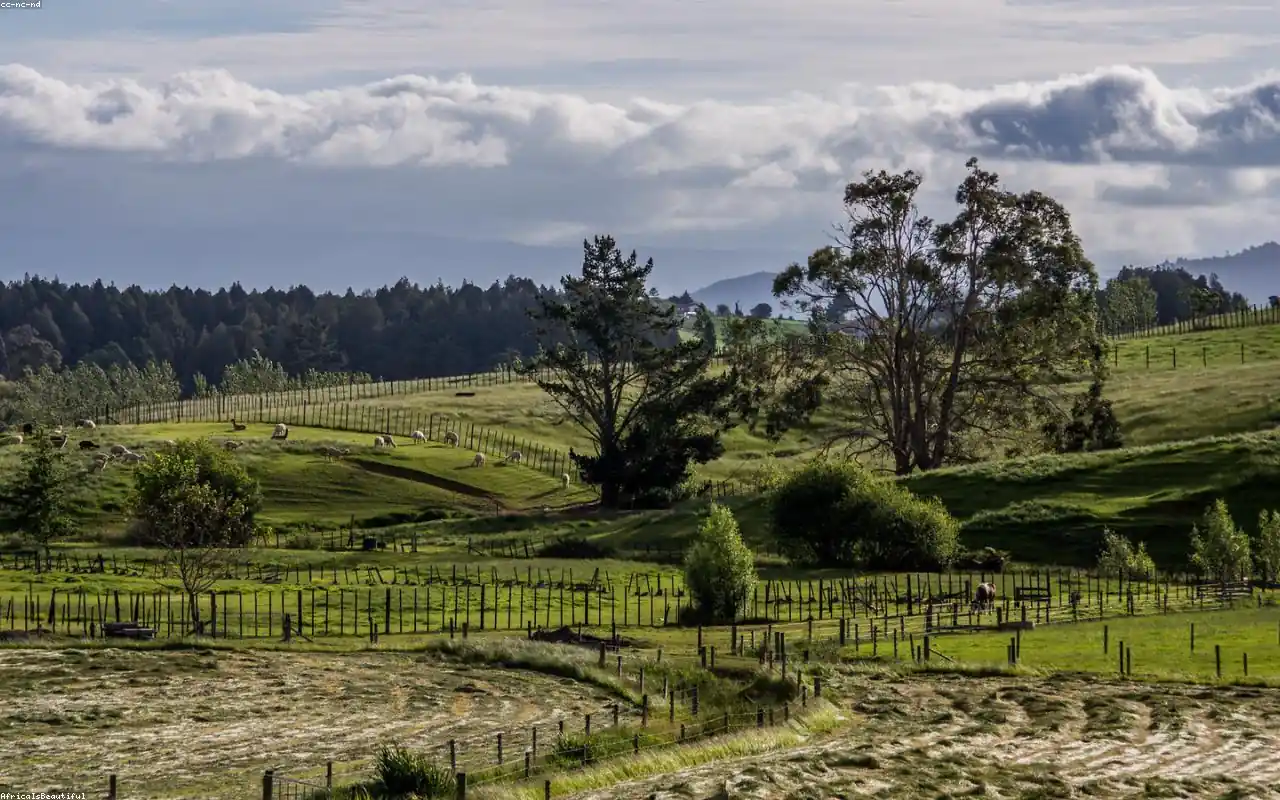
Which streets near Cooper Mountain Nature Park do we serve? The short answer is the whole ridge in this corner of 97007. Our work centers on the residential streets that climb toward the preserve: the homes along SW Kemmer Road right at the park entrance, the lots off SW 170th Avenue, the acreage and rural-edge properties out toward SW Grabhorn Road, and the established blocks along SW Rigert Road that feed the hill. From the newer ridge subdivisions near the summit to the older view lots that have looked over the Tualatin River Valley for decades, we know how these grades behave. Larger acreage and view lots are no problem — we are set up to fence longer perimeter runs and to work around the existing trees, slopes, and drainage that come with a rural-edge property.
The mix of property types along these streets is wider than most Beaverton neighborhoods, and it changes the job from block to block. SW Kemmer Road near the park entrance and the streets feeding off SW 170th Avenue hold a lot of established homes and newer subdivision lots where the fence lines are tighter and a clean stepped run between neighbors is the usual ask. Push west toward SW Grabhorn Road and the parcels open up into acreage and rural-edge ground, where a job is less about a backyard and more about a long perimeter that has to track changing grade, skirt mature trees, and keep the gate access a larger lot needs. SW Rigert Road and the connecting blocks that climb the hill fall somewhere between the two. We quote all of it, and we size the approach to the lot rather than running one template across the whole ridge.
Because Cooper Mountain sits right on the western Beaverton boundary, many lots here back onto woods, greenways, or a neighbor's acreage rather than another fence, which changes how a run gets planned and where the privacy needs to land. If you are weighing your options, our broader pages for fencing in Cooper Mountain and the city-wide overview of fencing in Beaverton lay out what works best by area. You can also browse every neighborhood we serve from the Beaverton service areas directory, or look at the sibling area just down the western edge near fencing near Jenkins Estate.
Why a Local Cooper Mountain Fence Crew Matters
Anyone can quote a fence on flat ground. What separates a fence that holds its line for a decade from one that leans after two winters is whether the installer understands this specific hillside — the grade, the clay-heavy soil that holds water, the trees that drop limbs, and the drainage that has to be planned around. We build for that reality on every job near Cooper Mountain Nature Park, which is why our sloped-lot fences stay square and plumb through the wettest Beaverton winters.
Local also means a shorter line between the problem and the fix. A crew that already works SW Kemmer Road and the streets off 170th does not need a property explained from scratch, and when a winter storm comes through we are not weighing a Cooper Mountain repair against jobs on the far side of the metro. We pull the same fence permits and follow the same Beaverton setback and height rules on every run, so what we quote on your hillside is what passes and what stands. When you are ready to move from research to a real estimate, the next step is the transactional page for fence installation near Cooper Mountain Nature Park, or simply call (855) 598-3288. We will walk your property, talk through grade, code, and materials, and give you a clear, no-pressure estimate.
What to Expect From Your Cooper Mountain Estimate
An estimate on a hillside lot is more than a tape measure and a price. When we come out to a property near Cooper Mountain Nature Park, the walk is where the real decisions get made: we shoot the grade across each run, note where the line crosses the steepest drops, look at how water moves through the yard after rain, and flag the trees whose roots or canopy will shape where posts can go. That is also when we sort out the practical questions a sloped, wooded lot raises — whether a run should be stepped or racked, how tall the fence needs to be from finished grade to give you the privacy you want, and where gates should land so they swing clear on uneven ground.
You will leave that visit knowing the plan, not just a number. We talk through cedar versus other wood, footing depth for your soil, and how the fence ties into the existing trees and property line, so there are no surprises once the crew is on site. Because we work this side of Beaverton constantly, we can be straight about what a longer acreage perimeter or a tricky ridge lot actually takes, rather than quoting low and finding the slope later. When you want that walk-through, call (855) 598-3288 and we will set a time that works.